
"coffee regions Africa"
4000 article(s) found

General knowledge of boutique coffee Arabica Robusta coffee beans
In terms of varieties, coffee trees are mainly divided into two types: one is Arabica, and the other is Robusta Arabica Robusta, which is mainly produced in tropical Central and South America and on the island of Madagascar in west and central Africa. Indonesia in Asia is planted on alpine slopes at an altitude of 9002000 meters above sea level and on alpine slopes at an altitude of 200600 meters above sea level.

How to describe the taste and flavor of Yega Snow Flavor an introduction to the regional treatment of taste varieties
How to describe the taste and flavor of Yejasuffe; it is synonymous with Ethiopian boutique coffee. It is a small town with an elevation of 700-21000 meters. It has been a wetland since ancient times. The ancient saying "Yirga" means to settle down and "Cheffe" means a wetland. The mode of production and flavor of coffee here are so prominent that Ethiopia

Flavor description of Rwandan coffee beans introduction to the region produced by grinding and calibration treatment
Rwanda coffee beans flavor description characteristics of Rwanda coffee varieties grinding scale treatment area introduction Rwanda (Rwanda) coffee in the form of washed Arabica coffee beans, is absolutely high quality. As far as Africa is concerned, its coffee industry is remarkable because the country thrives mainly by producing the best possible coffee beans. Coffee from Rwanda is becoming more and more popular in the international market. Lu Wang

Where are the main coffee producing areas in Yemen? the habit of drinking coffee in northern Europe
Professional coffee knowledge exchange more coffee bean information please follow the coffee workshop (Wechat official account cafe_style) Yemen is located in Asia across the Red Sea and East Africa, Ethiopia, is the highest quality natural sun coffee producer, the coffee produced in Yemen is called mocha beans, in fact Mocha is a coffee export port, including nearby East Africa sun beans from the early days

How does African coffee get to all parts of the world?
How coffee from Africa was shipped to all parts of the world at the beginning of the 20th century, Brazil accounted for more than 75% of the world's total coffee production, thus winning the reputation of the coffee kingdom. Coffee is one of the important pillars of Brazil's national economy. There are 500000 coffee plantations, large and small, covering an area of about 2.2 million hectares, with a working population of more than 6 million and an annual output of about 2 million tons of coffee.

Comparison of Arabica and Robusta Coffee beans Fine Coffee beans
In terms of varieties, coffee trees are mainly divided into two types: one is Arabica, and the other is Robusta Arabica Robusta, which is mainly produced in tropical Central and South America and on the island of Madagascar in west and central Africa. Indonesia in Asia is planted on alpine slopes at an altitude of 9002000 meters above sea level and on alpine slopes at an altitude of 200600 meters above sea level.

The coffee that impresses you, the bidding batch of Congo coffee with super personality
Professional barista communication Please pay attention to the coffee workshop (Wechat official account cafe_style) Congo bidding batch has arrived, if you want to say the most unforgettable beans tested recently, it must be the Congo. When I took the first sip of the cup, I cheered up immediately (not because the caffeine content was relatively high, but because the Congolese flavor was so special and personal). This bean, except for BlackBerry.

World Coffee Boutique Estate: Natal, South Africa
Aromatic and less acidic, reminiscent of coffee beans from Central America. Coffee production in South Africa is mainly in the north-east of the country, from Natal between Lesotho and Mozambique, extending northward to Transvaal, with the southernmost limit being latitude 30 south; further south coffee cannot be grown due to early frost.

Description of characteristics and flavor of Latin American coffee beans regional varieties produced by taste treatment
Flavor description of Latin American coffee beans wild (wild): describe coffee with extreme taste characteristics that remind you of the vast grasslands of Africa. Sweet: it is a commonly used adjective to describe coffee without sharp flavor. Strong (strong): in popular usage, strong describes deep baking.

Kenyan coffee tastes amazing and enjoy the berries that are indispensable to Kenyan hand-made coffee.
Professional coffee knowledge exchange more coffee bean information please follow the coffee workshop (Wechat official account cafe_style) front street-Kenya Nieri AA hand sharing Kenya is located in eastern Africa, the equator runs through the middle, East Africa's Great Rift Valley runs through the north and south. The eastern coast is about 500m above sea level, and the western plateau is the eastern part of the Great Rift Valley of East Africa, with an elevation of 2000-3000 m. From east to west, from low altitude

It is suggested that the hand-pulping parameters of Sunshine Huakui Sidamo boutique coffee beans should be analyzed from the origin information and treatment method.
The exchange of professional baristas please follow the coffee workshop (Wechat official account cafe_style) in March this year, in the China Regional Brewing Competition held in Shanghai, there was a bean from Africa and Ethiopia, which shook one expensive pedigree after another in the posture of a common people, and repelled one by one, and finally lost only narrowly to the champion's Finca Deborah Rose Summer (last year).

African coffee beans from Sidamo sidamo Shakiso shakisso region
The coffee flavor of Sidamo is very diverse, because of the different soil composition, regional microclimate and countless native coffee varieties, the coffee produced in each urban area has obvious differences and characteristics. Sidamo producing area (Sidama) is located in the south of Ethiopia. The industry here is mainly agricultural, and the coffee growing area is located around the Great Rift Valley (Great Rift Valley) of East Africa.

Bright citrus aromatic Burundi coffee flavor Taste characteristics of the region Variety introduction
Burundi is located south of the equator in central and eastern Africa. It borders Rwanda to the north, Tanzania to the east and south, Congo to the west and Lake Tanganyika to the southwest. There are many plateaus and mountains in the territory, most of which are composed of plateaus on the east side of the Great Rift Valley in East Africa. The average altitude of the country is 1600 meters, which is known as the mountain country. More than half of them are located on the famous Lake Tanganyika.

Is African coffee good? the flavor of African coffee beans
Professional coffee knowledge exchange more information about coffee beans Please follow the coffee workshop (Wechat official account cafe_style) Africa and the Middle East go to countries in this region, you will find that the coffee is very acidic and medium-bodied. Coffee also has the smell of flowers, such as jasmine and dry wine. You won't often find lightly roasted coffee because these countries make flavor

Characteristics of Burundian coffee beans
Coffee features: 1. Make use of the regional advantages of Central Africa, without adding any mixed beans, secondary beans; 2. Baked with pure natural Arabica coffee beans; 3. Its fragrance is so rich that it can be smelled without opening the package, and the room is full of fragrance when cooking. Editor MM introduces to netizens how to taste delicious coffee: the taste of coffee is different, so it can't be like drinking.
Read the article and feel the coffee trip in Uganda. Uganda coffee brands have the best AA grade.
Professional coffee knowledge exchange more coffee bean information please follow the coffee workshop (Wechat official account cafe_style) front street-Uganda coffee introduction opens the global coffee production area map, today the official account will take you to the interior of Africa in Uganda, a taste of its northeast Elgon mountains of quality coffee, compared to we are familiar with Ethiopia, Ugandan coffee is
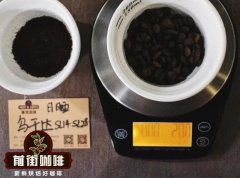
Africa Uganda Egon Mountain producing area Zor Mountain Yagrani processing plant coffee beans SL14 coffee varieties
Professional coffee knowledge exchange More coffee bean information Please pay attention to coffee workshop (Weixin Official Accounts cafe_style) Uganda coffee is a small shy in African producing areas, has not been active in the public's sight. Ugandan coffee is so shy because Uganda has always grown mostly Robusta, and in recent years with the support and development of the boutique coffee market,

How about Middle East Coffee? what Middle East coffee brands are recommended by Middle East coffee producing countries?
Professional coffee knowledge exchange more coffee bean information please follow the coffee workshop (Wechat official account cafe_style) Africa and the Middle East Africa and the Middle East the most famous coffee originated in Kenya and Arabian Peninsula. Kenyan coffee generally grows in the foothills of Mount Kenya, full-bodied and full-bodied, while Arabica coffee has a fruity flavor. Ethiopia is also the place.

The cultivation of boutique coffee beans in the most famous Cochell manor in Africa, geographical location, simple climate, simple altitude
At first, Yejassefi's coffee trees were planted by European monks, and later by farmers or cooperatives. Yega Xuefei is actually constructed by the surrounding coffee communities or cooperatives, including: Hafusha, Hama, Biloya. These mountain villages are foggy, like spring all the year round, with a gentle breeze in summer, cool but not hot, rain but not damp, and no cold damage in winter.

A brief introduction to the Market Price of Fine Coffee Bean varieties in the most famous Cochel Manor in Africa
At first, Yejassefi's coffee trees were planted by European monks, and later by farmers or cooperatives. Yega Xuefei is actually constructed by the surrounding coffee communities or cooperatives, including: Hafusha, Hama, Biloya. These mountain villages are foggy, like spring all the year round, with a gentle breeze in summer, cool but not hot, rain but not damp, and no cold damage in winter.